Dear friends,
We received a wonderful update from CODEP this week.
The students in the Reforestation Mentorship Program have been planting peppers at the CODEP compound. In Haiti, this kind of hands-on agricultural work is called “practis.”
It is exactly what it sounds like: practice.
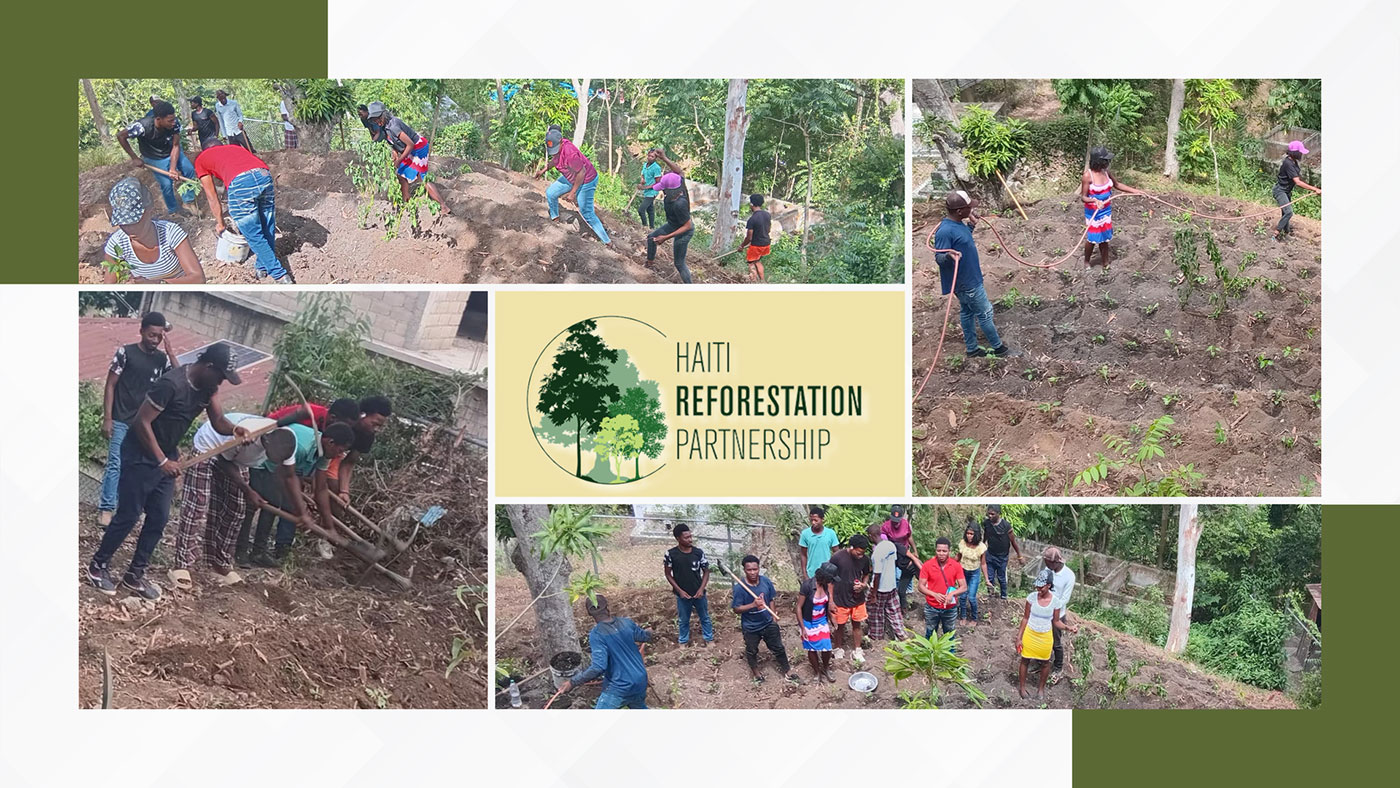
The students are not only sitting in a classroom or listening to lessons. They are working in the soil, learning how to prepare the land, plant carefully, care for seedlings, and understand what it takes for food to grow.
This year, as in the past few years since the Mentorship Program began, we are seeing just how important this training has become. What started as an idea has become a steady part of CODEP’s work, including during the summer months, when young people continue learning, practicing, and helping with the daily life of the compound.
That is amazing to see.
This program is transforming not only what these students know, but also how they see themselves and their future. They are learning skills that can help them grow food, support their families, participate in reforestation, and become useful leaders in their own communities.
These young people are also learning how CODEP works day to day: how people organize, how land is cared for, how groups cooperate, and how food and trees are part of the same larger vision.
The vegetables they are planting are not just an exercise. They will help provide fresh food at the CODEP compound and continue strengthening the garden work already underway there.
In a country where food remains expensive and daily life is difficult, a small garden can make a real difference. It can feed people and teach people at the same time. It also gives these students something important: the experience of seeing their own work become useful.
This is how future CODEP leaders are formed.
The Mentorship Program is preparing young people not only to plant, but to guide others. Some may go on to help with community gardens. Some may help organize new zones. Some may become part of the next generation of animators who carry the CODEP way forward.
For now, it begins in a very ordinary way: with students and mentors working side by side, planting peppers and learning by doing.
That may not sound dramatic, but it is how this work grows.
Your support helps make this possible. It helps provide training, tools, seeds, garden materials, and the daily support needed to keep young people learning and working.
Thank you for helping CODEP teach the next generation in the most practical way possible: together, in the soil.
With gratitude,
Haiti Reforestation Partnership